Tips for Native Plant Gardening
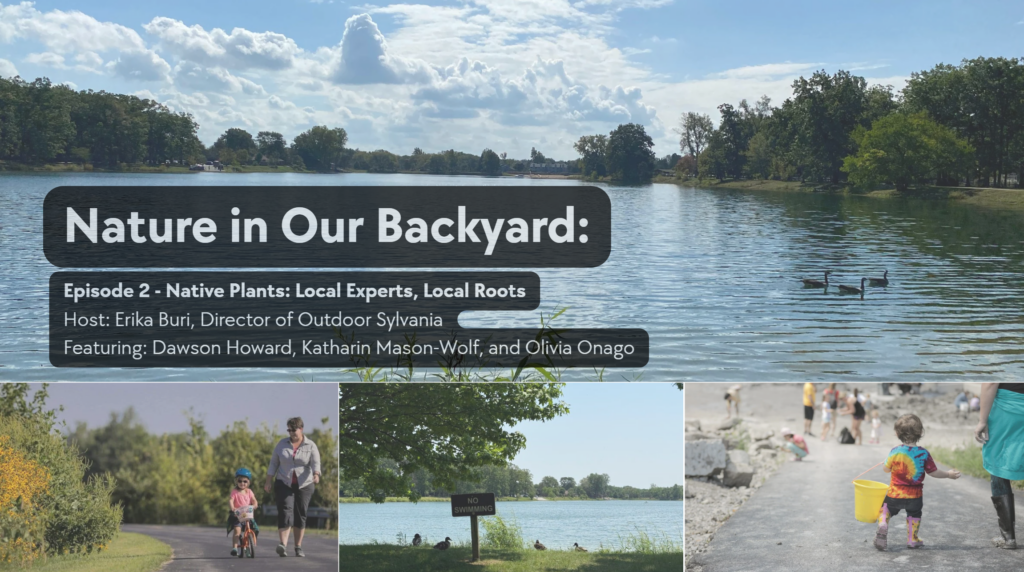
🎙️ This article accompanies our latest podcast episode featuring native gardening experts. Listen to the full conversation using the player above to hear firsthand tips, personal stories, and in-depth advice from practitioners in the field.
Creating a native plant garden is one of the most impactful steps a homeowner can take for the local environment. It’s not simply a gardening trend, it’s a deliberate choice to cultivate a space that supports regional wildlife, strengthens biodiversity, and reduces the environmental footprint of your yard. There’s no better time to understand what native gardening involves and how to do it well.
In this guide, we cover five essential steps to help you build a thriving native plant garden, from assessing your space to getting involved in your local community.
Why Native Plants Matter
Native plants are species that have evolved over thousands of years within a specific region, adapting to its climate, soil conditions, and seasonal patterns. In the greater Toledo and northwest Ohio area, that means plants that are naturally suited to our clay-heavy soils, cold winters, and warm, humid summers.
Choosing native plants over conventional landscaping species offers three significant advantages:
Biodiversity. Native plants form the foundation of local food webs. They provide the seeds, nectar, and habitat that birds, butterflies, native bees, and beneficial insects depend on. Non-native ornamentals, however attractive, rarely offer the same ecological value.
Sustainability. Once established, native plants typically require far less water, fertilizer, and pest management than non-native alternatives. They’ve spent millennia adapting to local conditions — they don’t need the same level of intervention to survive.
Landscape appeal. Native species offer distinctive seasonal beauty: early spring ephemerals, summer wildflower blooms, and fall seed heads that provide visual interest and winter food sources for wildlife.
Step 1: Assess Your Space
Before selecting a single plant, take time to understand the specific conditions of your yard. This is the step most gardeners skip, and the reason many native plantings struggle.
Walk your property at different times of day and note the following:
- Sun exposure: Which areas receive full sun (6+ hours), part shade, or full shade?
- Soil drainage: After rainfall, do puddles linger, or does water drain quickly? Standing water for more than 24 hours indicates poor drainage.
- Soil type: Northwest Ohio soils tend toward heavy clay, which retains moisture and drains slowly. This actually suits many native species well once they’re established.
- Existing vegetation: Are there invasive species already present? Japanese honeysuckle, garlic mustard, and common reed are widespread in our region and will compete aggressively with new plantings.
Matching your plant selection to your actual site conditions, rather than the conditions you wish you had, is the single most reliable predictor of success.
Step 2: Choose the Right Native Plants
With a clear picture of your site, you can begin selecting species. The goal is to build a layered, diverse planting that provides habitat value across multiple seasons rather than a monoculture of a single showy species.
Prioritize regional natives. A plant native to the American continent isn’t necessarily native to northwest Ohio. Focus on species indigenous to Ohio and the Great Lakes region for the greatest ecological benefit. Resources like the Ohio Native Plant Month initiative, the Toledo Naturalists’ Association, and the Lady Bird Johnson Wildflower Center’s plant database are excellent starting points.
Aim for diversity across bloom times. A well-designed native garden offers something for pollinators from early spring through late fall. Consider:
- Early bloomers: Wild columbine (Aquilegia canadensis), golden Alexanders (Zizia aurea)
- Midsummer: Purple coneflower (Echinacea purpurea), wild bergamot (Monarda fistulosa), black-eyed Susan (Rudbeckia hirta)
- Late season: New England aster (Symphyotrichum novae-angliae), goldenrod (Solidago spp.)
Include structure plants. Flowering perennials get most of the attention, but native grasses, sedges, and shrubs provide critical habitat structure. Little bluestem (Schizachyrium scoparium), buttonbush (Cephalanthus occidentalis), and native viburnums are all highly functional and visually compelling choices for our region.
Step 3: Prepare the Soil
Soil preparation is often misunderstood in native gardening. The instinct is to amend heavily — adding bags of compost, loosening soil to great depth, and treating the ground like a vegetable bed. For native plants, this is frequently unnecessary and can actually work against you.
Conduct a soil test first. Your local OSU Extension office offers affordable soil testing that will tell you your pH, nutrient levels, and organic matter content. This prevents guesswork and unnecessary amendment.
Amend selectively. If your soil is severely compacted or completely devoid of organic matter, a modest addition of compost can help. But many native species evolved in lean soils and actually perform better without enrichment — excess nitrogen, in particular, can cause lush foliage growth at the expense of flowering.
Avoid synthetic fertilizers. Beyond being unnecessary for most natives, synthetic fertilizers can disrupt the soil microbiome that native plants rely on and create conditions that favor weedy, invasive species.
Address invasives before planting. If invasive species are present, deal with them thoroughly before establishing new plantings. Smothering with cardboard and wood chip mulch (sheet mulching) is an effective, chemical-free approach for lawn areas being converted to native beds.
Step 4: Planting and Maintenance
Timing matters. Spring and fall are the optimal planting windows for native species in northwest Ohio. Fall planting in particular is underutilized — cooler temperatures reduce transplant stress, and plants have the entire winter to establish root systems before the demands of summer.
Water consistently in year one. The most common cause of native plant failure is underwatering during establishment. Newly planted natives haven’t yet developed the deep root systems that make them drought-tolerant — that comes in years two and three. Plan to water deeply once or twice per week during dry spells in the first growing season.
Mulch thoughtfully. A 2–3 inch layer of wood chip mulch around (not against) plant stems conserves moisture, moderates soil temperature, and suppresses weeds. Avoid dyed or fine-textured mulches; coarse wood chips from a local arborist are ideal.
Resist the urge to cut everything back in fall. Native seed heads provide critical winter food for birds, and hollow stems offer overwintering habitat for native bees. Leave the bulk of your garden standing through winter and do your cleanup in late March, once temperatures have consistently risen above 50°F.
Remove invasives promptly. Monitor your planting regularly, particularly in the first two years, and remove invasive species before they set seed. Early intervention makes a significant difference in long-term outcomes.
Step 5: Education and Community Involvement
Native gardening has a compounding effect: the more native habitat exists in a connected area, the more wildlife it can support. A single native garden is valuable. A neighborhood with multiple native plantings creates a genuine wildlife corridor.
Connect with local resources. The Toledo area has an active community of native plant enthusiasts. Local native plant sales, often held in spring through nature centers and conservation districts, are excellent sources for regional species at reasonable prices. These events also connect you with knowledgeable growers who can answer site-specific questions.
Share what you’re learning. Conversations with neighbors, social media posts, and informal garden tours all build awareness and momentum. Many people are interested in native gardening but don’t know where to start, your experience and example are genuinely useful to them.
Keep learning. Native gardening is a practice, not a project. Each season brings new observations, new challenges, and new understanding of how your particular piece of land works. Lean into that learning process.
Conclusion
Native plant gardening is among the most meaningful things a landowner can do for the local ecosystem — and it becomes easier and more rewarding with each passing year as plantings mature and establish. By taking the time to assess your site, select appropriate species, prepare the soil thoughtfully, maintain your garden with care, and engage with the broader community of native plant advocates, you’re contributing to something larger than your own yard.
If you’re ready to take the next step, start small: convert one lawn area or add a single native planting bed this spring. The learning curve is gentler than most people expect, and the results — the butterflies, the birds, the late-summer bloom — are well worth it.
Frequently Asked Questions
What are the main benefits of native plants over conventional landscaping? Native plants support local wildlife, require less maintenance once established, and are better adapted to regional soil and climate conditions than most ornamental non-natives.
How do I find native plants suited to the Toledo and northwest Ohio area? Local native plant sales, the OSU Extension office, the Toledo Naturalists’ Association, and online databases like the Lady Bird Johnson Wildflower Center are all reliable starting points.
When is the best time to plant natives in Ohio? Both spring and fall work well. Fall planting is often underutilized but highly effective — cooler temperatures reduce stress and give plants a full winter to establish roots.
Do native plants require any maintenance? Yes, particularly in the first one to two years during establishment. Once rooted, most natives require significantly less intervention than conventional landscaping plants.
Can I plant natives in a small yard or urban space? Absolutely. Even a modest planting of native perennials in a small bed provides meaningful habitat value, particularly when combined with similar plantings nearby.
Want to go deeper? Listen to our full podcast episode for extended conversations with native gardening practitioners, personal stories from local growers, and advice you won’t find in any planting guide.